

If I talk about the major cybersecurity concerns, juice jacking is becoming fast-growing in 2026, especially among travel enthusiasts, office workers, and anyone who charges their phone at public places like malls, railway stations, airports, cabs, and cafes. Knowing how to prevent juice jacking, this guide explains everything for you with practical steps and tips. We first understand that Juice jacking prevention is essential today because attackers can steal your data or inject malware through a simple USB charging cable.
If I talk about the data safety Juice jacking risks directly connected with it. If your USB devices have ever been infected or corrupted, you may need a reliable and secure tool like SysTools Pen Drive Recovery Software that will help you to recover inaccessible data from USB drives, flash storage, and memory cards.
What Is Juice Jacking?
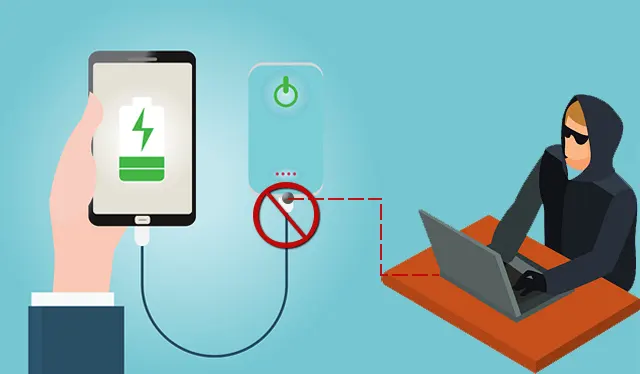
It is a type of a cyberattack where hackers modify available public charging ports and USB cables to access your data secretly. If you decide to plug your phone into a public USB port, the port does not just pass electricity but it can also transfer your phone’s data. The hackers can easily copy files, access your contacts list, read your messages, passwords, or even install silent malware on your device.
Many of us think public charging stations exist for convenience. But the reality is something different, allowing attackers to steal or corrupt data instantly. In the worst case scenario, attackers could even wipe your USB or smartphone storage, leading to unexpected data loss. Suppose your files are corrupted because of malware from unsafe connections, so in such a case you must rely on some specialized tools for Data Recovery to restore them safely.
If we talk about the recent data that the users are reporting for Juice jacking attacks in 2025-26, especially at the major travel hotspots like airports, hotels, and transportation hubs you can check below the reported stats:
- Business Travelers: Reported by the 79% of business travelers using a public USB port or charging station, unknowingly exposing them to a potential risk.
- Companies: 68% of companies have experienced and reported endpoint attacks originated from untrusted charging ports.
So, how to prevent juice jacking? The only solution is taking preventive majors while seeking for public charging stations specially at Airports, Hotels, and Malls.
Why Juice Jacking Is a Serious Modern Threat?
As hackers know the people are not aware of cybersecurity and data protection and they can easily access your device while you use any of the publicly available charging sources from hotels to airports asking How to Prevent Juice Jacking is good but understanding the data security and taking safety majors is the essential for users.
- Malware Injection Via USB: Public USB charging stations can be easily modified by the hackers to push hidden malware into your mobile device. As malware will unlock sensitive data, track your activity, and copy your important files. Prevention from juice jacking is essential as these malware often runs without any notification in the background of your mobile and other devices.
- Data Theft Without Permission: If you allow data transfer while charging, the attackers can easily clone your data within no time. So, juice jacking prevention methods are vital, especially for travelers and businesses who handle sensitive information.
- Risk of Credential Harvesting: Criminals or cyber attackers can use manipulated ports to steal your login information saved in your device. Credential theft malware remains the biggest data security threats globally in the recent year 2025-26.
- Device Hacking and Remote Control: The hackers will try to gain remote access to your phone or any other USB supporting devices. Once they get access your device gets locked easily and disables security settings, or exfiltrates cloud data.
How to Prevent Juice Jacking – Complete Protection
You can find below some of the best and most practical ways for users, companies, and travelers to prevent juice jacking attacks.
1. Always Use a Personal Charging Adapter
Always carrying your own and personal charger is the most effective way to prevent juice jacking. Directly plugging your charger into a power outlet means there is no data connection, only electricity flows.
Why It Helps:
- Data access is Impossible for attackers
- No USB data pins involved
- Reliable when traveling or working outside
2. Use a Power Bank Instead of Public Charging Ports
Power Bank is considered as one of the safest charging options because it can only supply power so no risk of data extraction.
Best Protection Tips
- Avoid borrowing unknown power banks
- Choose certified brands
- Charge your power bank at home or office
3. Enable “Charge Only” or use “USB Restricted Mode”
The modern devices are featuring a “charge only” mode that blocks data transfer. Learning and understanding how to prevent juice jacking without carrying extra accessories, this setting is a strong built-in defense in your device. IOS devices automatically disable data pins within a few minutes.
Simple Security Steps For Android Users
Go to: Settings – Developer Options – Choose Default USB Configuration – Select Charge Only
4. Use of USB Data Blockers
Well a USB Data Blocker is a small device or an adapter that cuts data lines and only allows power flow.
Why USB Data Blockers Are Effective
- Capable to work with any USB cable
- Physically blocks all data connections
- Widely recommended by cybersecurity experts
When businesses or companies ask How can my company prevent juice jacking? This is one such best recommended tool.
5. Avoid Public USB Charging Stations Completely
Yes, you can completely avoid Public USB ports as found in airports, hotels, malls, and events.
Go with the safer alternatives
- Use your power bank
- Find wireless chargers
- Use AC wall outlets
Corporate Guide – How Can My Company Prevent Juice Jacking?
- Use Company-Approved Charging Accessories Only: All employees should receive official chargers, USB data blockers, and power banks for charging devices.
- Block USB Data Transfers Through MDM: MMD, known as Mobile Device Management this allows companies to disable access of any USB data across all employee devices.
- Cybersecurity Awareness Training: Cybersecurity awareness training for Teach employees is a must to understand the potential risks of data loss.
- Restrict Use of Unknown USB Drives: Companies can restrict use of unknown USB devices or combine juice jacking prevention with USB security guidelines.
Additional Safety Tips to Prevent Juice Jacking (2026)
You can follow the proven 5 tips to prevent juice jacking and secure your device form any malware attacks.
Tips 1:- Use Wireless Charging Whenever Possible
It is always best to use wireless chargers that do not transfer your data. So it is impossible for attackers to extract your data from your device.
Tips 2:- Avoid Using Shared or Lost USB Cables
Never use shared USB cables found in railway stations, airports, hotels, offices, or conference rooms as connecting to public USB charging means you are at the possible risk.
Tips 3:- Keep USB Debugging Disabled
We must understand that USB Debugging on Android can surely increase the risk of data extraction from your mobile so keeping it disabled is the smart way to avoid data loss.
Tips 4:- Regularly Scan Devices for Malware
It is recommended by the top cyber security experts If you are connecting your device to a suspicious port you must run an antivirus scan immediately.
Tips 5:- Keep Your OS Updated
Keep updated your OS as new updates often include protections against USB based attacks and secure you from any malware attacks.
Closing Notes
So, how to prevent juice jacking is important for anyone who charges their mobile devices in public stations or places. The best defense is avoiding USB ports completely and using personal chargers, wireless charging, or USB data blockers.
Whether you are a frequent traveler, a professional, or a corporate user, juice jacking prevention must be part of your daily cybersecurity habits. So stay alert while charging your device and stay safe from modern USB-based threats.